


























Why Burj Al Arab Closed and What It Means for Travellers
The closure of Burj Al Arab for 18 months has become one of the biggest updates in Dubai’s luxury hospitality scene. As one of the most iconic hotels in the world, this temporary shutdown affects not only guests with existing reservations but also travellers planning luxury stays in Dubai during 2026 and 2027.
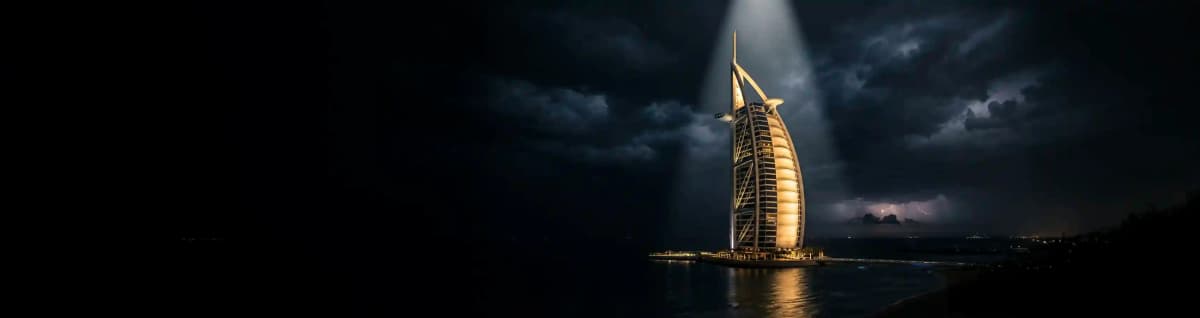
For many visitors, Burj Al Arab is more than just a hotel — it represents the symbol of Dubai’s luxury image. Its sail-shaped design, world-famous suites, and premium dining experiences have made it a destination in itself. That is why the announcement of its long-term closure created major concern among travellers, especially those with confirmed bookings.
However, the closure is not due to any temporary issue. It marks the first major restoration since the hotel opened in 1999. This is a full-scale renovation designed to preserve the property for the future while maintaining its legendary identity.
👉 The good news is simple:
Dubai still offers several world-class alternatives that deliver the same level of luxury, comfort, and exclusivity.
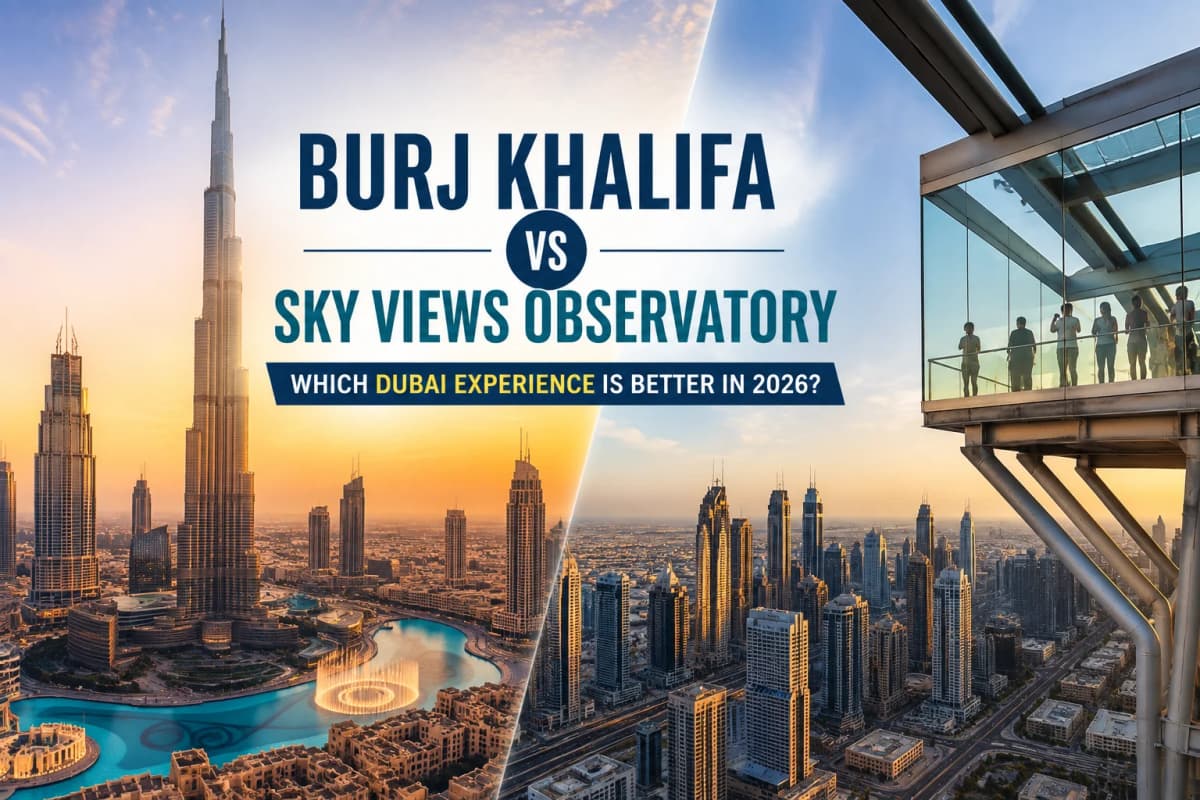
Many travelers also combine their luxury hotel stay with Burj Khalifa observation deck experiences to enjoy the best skyline views in Dubai.
Why Did Burj Al Arab Close for 18 Months?
After operating continuously for 27 years, Burj Al Arab has reached the point where a complete restoration became necessary. Luxury hotels in coastal environments face unique challenges because of salt exposure, humidity, strong winds, and constant operations. Over time, these factors affect both visible design elements and hidden structural systems.
This is not a cosmetic renovation. It includes major upgrades to the building’s core systems such as:
- Facade inspection and restoration
- Mechanical, electrical, and plumbing upgrades
- Structural corrosion testing
- Interior restoration of stone, metal, and gold finishes
Because these systems are interconnected, the hotel cannot remain partially open during the work. A full shutdown is the only practical solution.
👉 Important Insight: This is Burj Al Arab’s first major restoration since opening in 1999, which shows the scale and seriousness of the project.
What Will Change After the Restoration?
The restoration is being led by Paris-based interior architect Tristan Auer, known for luxury restoration projects across Europe. His goal is not to redesign Burj Al Arab completely, but to preserve its identity while improving the experience for modern travelers.
The hotel’s signature visual style — blue, red, gold, and green interiors — will remain intact. Instead of changing the look, the focus is on improving quality, comfort, and performance behind the scenes.
Guests can expect:
- Refreshed suites and interiors
- Improved building systems
- Better long-term sustainability
- Enhanced premium guest experience
👉 Think of it as preserving a landmark, not replacing it.
Quick Comparison: Best Burj Al Arab Alternatives in Dubai
Travelers looking for replacement options need to compare hotels based on location, pricing, and service style.
| Hotel | Experience Type | Starting Price (Approx.) | Best For |
| Jumeirah Marsa Al Arab | Direct replacement | AED 2,500+ | Same brand luxury |
| Atlantis The Royal | Ultra-luxury modern | AED 3,500+ | Premium experience |
| Four Seasons Resort | Elegant beachfront | AED 2,000+ | Quiet luxury |
| One&Only Royal Mirage | Arabian luxury | AED 1,800+ | Heritage experience |
| Bulgari Resort Dubai | Private island | AED 4,000+ | Privacy + exclusivity |
| Armani Hotel Dubai | Downtown luxury | AED 2,200+ | City-centered luxury |
👉 Choosing the right alternative depends on whether you value beachfront access, city views, or private luxury.
Jumeirah Marsa Al Arab: The Most Natural Replacement
For guests who want to stay within the Jumeirah brand family, Jumeirah Marsa Al Arab is the most obvious replacement. It is designed as a next-generation ultra-luxury property with a futuristic yacht-inspired structure, private beach access, and marina-focused experiences.
This hotel feels like a modern evolution of Burj Al Arab rather than just another luxury property. It offers:
- 386 rooms and suites
- Private beach access
- Dedicated marina
- Premium wellness experiences
Because many relocated guests are being moved here, availability may become limited quickly.
👉 Best for: Travelers who want the closest experience to Burj Al Arab.
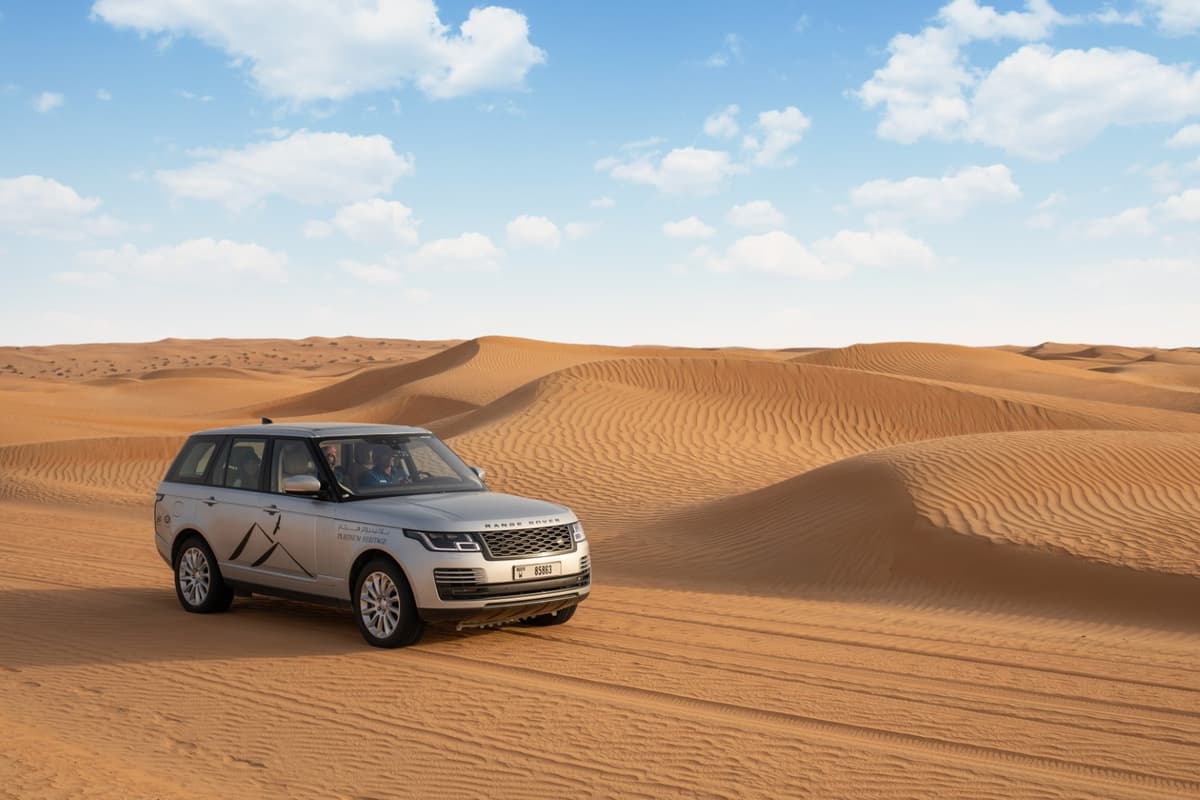
Guests staying in this area often prefer adding a private luxury desert safari experience to complete their premium Dubai itinerary.
Atlantis The Royal: Dubai’s New Luxury Icon
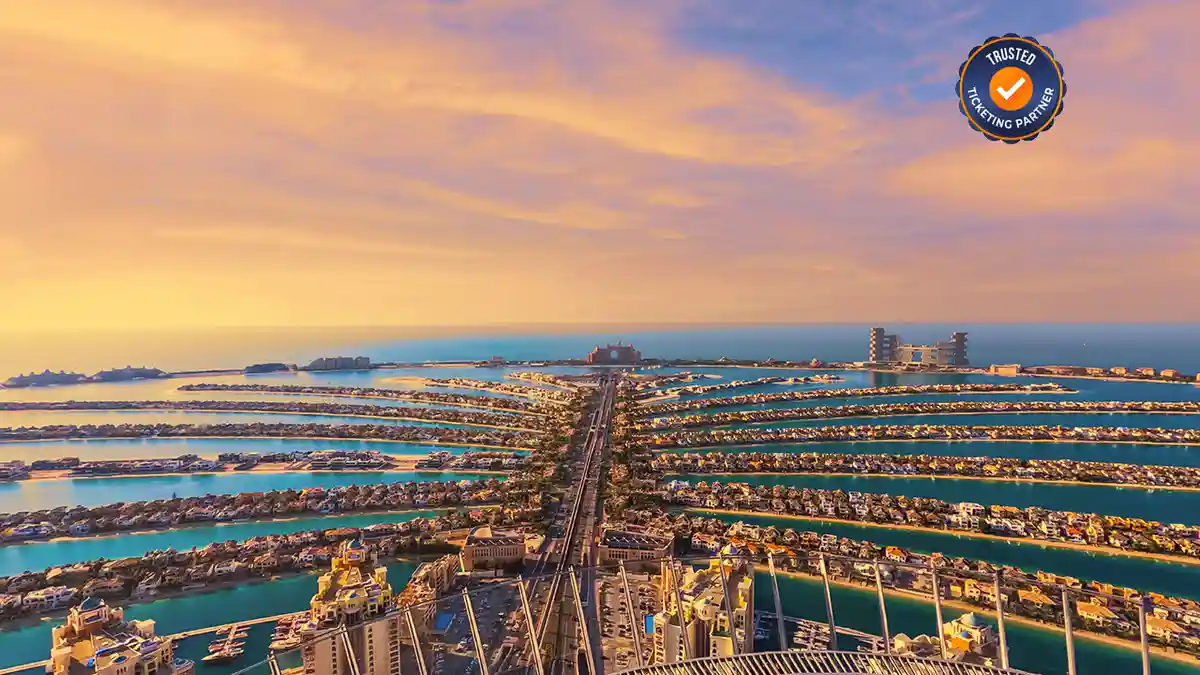
Atlantis The Royal has quickly become one of Dubai’s most talked-about luxury destinations. Located on Palm Jumeirah, it represents a newer style of luxury — bold, modern, and experience-driven.
The property features private pools, world-class restaurants, and some of the most expensive suites in the region. It also offers premium design details and cooling systems for outdoor areas, making the guest experience comfortable even during warmer months.
What makes it special:
- 795 rooms and suites
- 17 restaurants
- Private pool suites
- Ultra-premium service
👉 Best for: Travelers looking for Dubai’s newest ultra-luxury experience.
Many visitors staying on Palm Jumeirah also explore luxury Atlantis experiences and private yacht cruises for a complete high-end Dubai stay.
Four Seasons Resort Dubai: Quiet Luxury by the Beach
Some travelers prefer understated elegance over dramatic luxury. Four Seasons Resort Dubai is ideal for this. It offers a calm beachfront environment with premium service standards and excellent dining without the flashy atmosphere.
Located near Jumeirah Beach, it balances city access with private resort comfort. The service is highly personalized, and the property appeals to guests who prioritize peace and quality over social buzz.
Why travelers choose it:
- Beachfront location
- Fine dining options
- Rooftop experiences
- Personalized luxury service
👉 Best for: Families, couples, and guests seeking relaxed luxury.
This area is also ideal for travellers planning a premium sunset Marina cruise experience with private dining views.
What Happens to Restaurant Reservations?
Burj Al Arab is famous not only for its hotel experience but also for signature restaurants like Al Mahara and Al Muntaha. Both restaurants remain closed during the full renovation period.
Guests with confirmed bookings are receiving automatic cancellations and full refunds through Jumeirah. Those who booked through platforms like OpenTable or TheFork will also receive refunds automatically.
If you had a special occasion booking, contacting Jumeirah directly is recommended.
Best Alternatives for Fine Dining
| Closed Restaurant | Alternative Option | Why It Works |
| Al Mahara | Ossiano (Atlantis) | Underwater dining |
| Al Muntaha | Atmosphere (Burj Khalifa) | High-altitude dining |
👉 These alternatives offer a similar premium dining atmosphere.
Managing Existing Hotel Bookings
Guests with existing Burj Al Arab reservations are being contacted directly by Jumeirah for relocation options. Most are being offered alternative stays in Jumeirah Marsa Al Arab or Jumeirah Al Qasr at comparable rates.
For bookings made through third-party platforms like Booking.com or Expedia, travelers should contact those platforms directly. Standard cancellation and rebooking policies usually apply, although many platforms are offering flexibility due to the closure.
Important things to check:
- Hotel relocation options
- Refund eligibility
- Gift voucher validity
- Loyalty points status
👉 Jumeirah One loyalty points remain unaffected during the closure.
Should You Wait for the 2027 Reopening?
Many travelers are already considering whether to wait for the reopening rather than booking alternatives now. While the expected reopening is planned for late 2027, phased completion could push full operations into early 2028.
Demand for the reopening period will be extremely high. Travelers interested in staying during the first reopening months should consider joining the waitlist early through Jumeirah’s concierge team.
However, if your trip is planned for 2026 or 2027, waiting may not be practical.
👉 Smart Advice:
Choose a strong alternative now instead of delaying your trip.
Final Thoughts
Burj Al Arab’s temporary closure is a major moment for Dubai’s luxury travel scene, but it doesn’t mean your luxury Dubai experience has to pause.
In many ways, this is an opportunity to explore some of Dubai’s newest and most impressive luxury hotels. Whether you choose Jumeirah Marsa Al Arab for familiarity, Atlantis The Royal for modern luxury, or Four Seasons for quiet elegance, Dubai still offers exceptional alternatives.
👉 The key is choosing the hotel that matches your travel style, not simply replacing Burj Al Arab by name.
Plan Your Luxury Dubai Stay with Confidence
Before booking, compare your options carefully and check availability early — especially during peak season.
👉 Explore luxury stays and premium Dubai experiences on ClickToGuide.com
This helps you:
- Compare hotel experiences
- Plan smarter alternatives
- Avoid last-minute booking issues
FAQs – Burj Al Arab Closure
1. Why is Burj Al Arab closed for 18 months?
Burj Al Arab is undergoing its first major restoration since opening in 1999. The renovation includes structural upgrades, facade restoration, and major system improvements.
2. When will Burj Al Arab reopen?
The expected reopening is around late 2027, although full operations may extend into early 2028 depending on phased completion.
3. What happens to existing hotel bookings?
Guests with confirmed bookings are being contacted by Jumeirah and offered relocation options or refunds depending on reservation type.
4. Are Al Mahara and Al Muntaha closed too?
Yes, both signature restaurants remain closed during the renovation period, and affected reservations are being refunded automatically.
5. What is the best alternative to Burj Al Arab?
Jumeirah Marsa Al Arab is considered the closest replacement, while Atlantis The Royal and Four Seasons are also strong luxury alternatives.