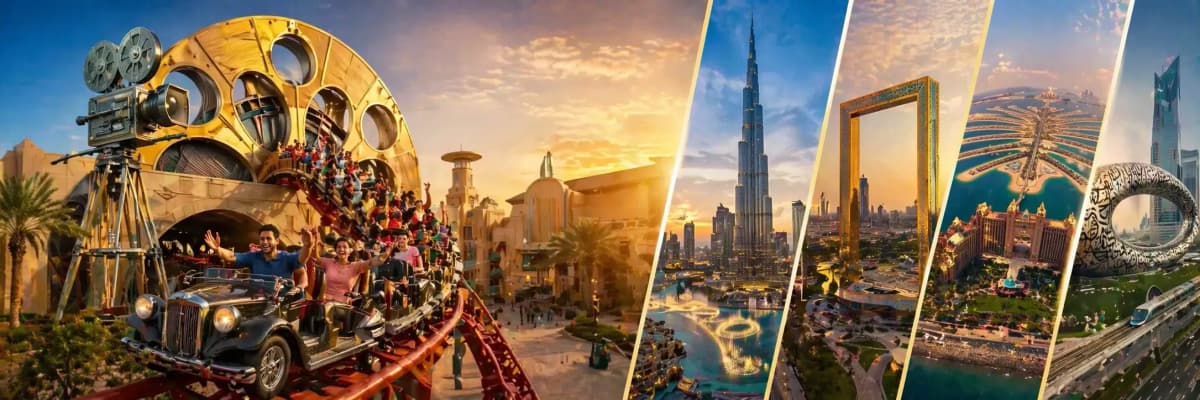



Dubai has firmly established itself as a 2026 travel hotspot where ultra-modern landmarks stand shoulder-to-shoulder with sweeping desert landscapes, pristine beaches, and historic districts that whisper stories of the city’s pearl-diving past. With over 17 million visitors arriving annually—and projections pointing upward—this city in the United Arab Emirates continues to captivate travelers seeking a vast array of experiences that simply don’t exist together anywhere else on Earth.
This guide walks you through the top attractions you’ll want to prioritize, from the record-breaking heights of the Burj Khalifa to the timeless charm of Old Dubai’s souks. Whether you’re planning your first trip or returning to discover something new, you’ll find practical insights to help you make the most of every moment.
What you’ll find in this guide:
- Iconic landmarks and skyline viewpoints
- Desert safari adventures and cultural evenings
- Dubai Marina, beaches, and a waterfront lifestyle
- Historic districts, souks, and creekside experiences
- Family attractions, theme parks, and museums
- Practical travel tips for visiting Dubai in 2026
The content ahead is tailored for travelers planning trips between October and April, when temperatures hover between 20-30°C—perfect for outdoor adventures without the summer’s intense 40°C+ heat.
Dubai’s Iconic Landmarks and Skyline Views
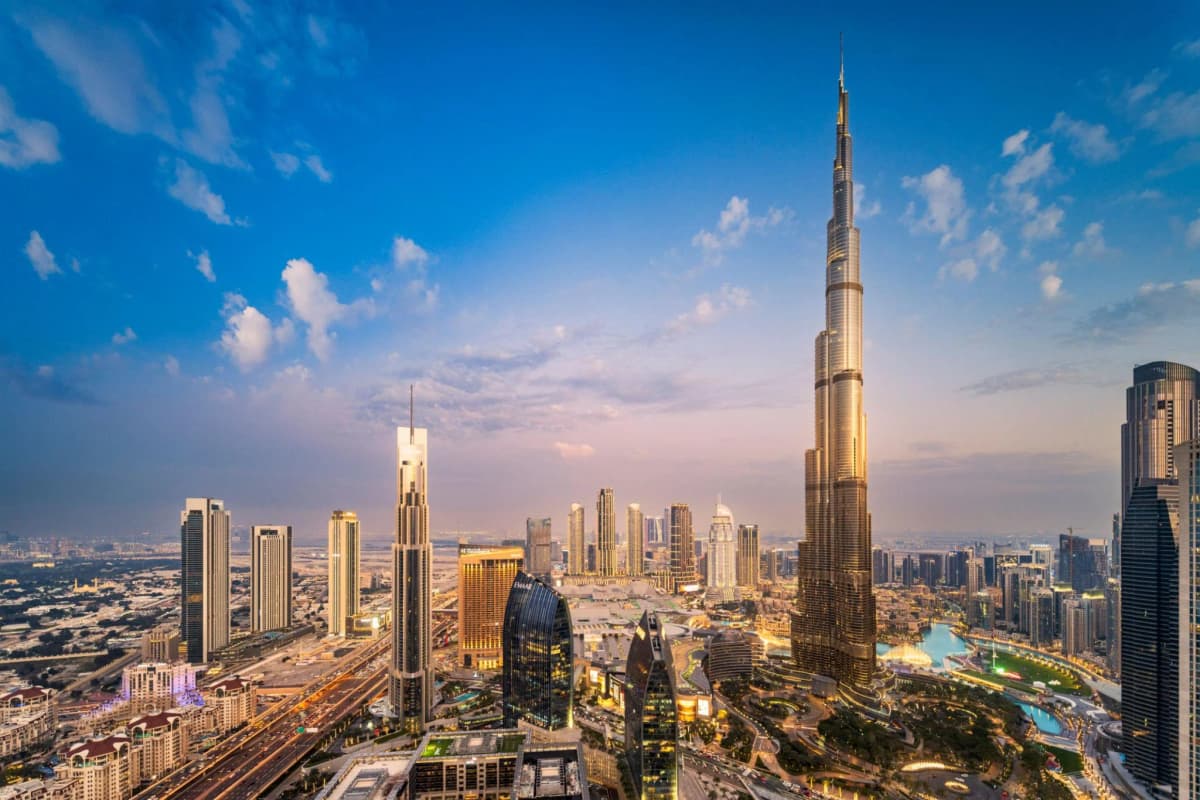
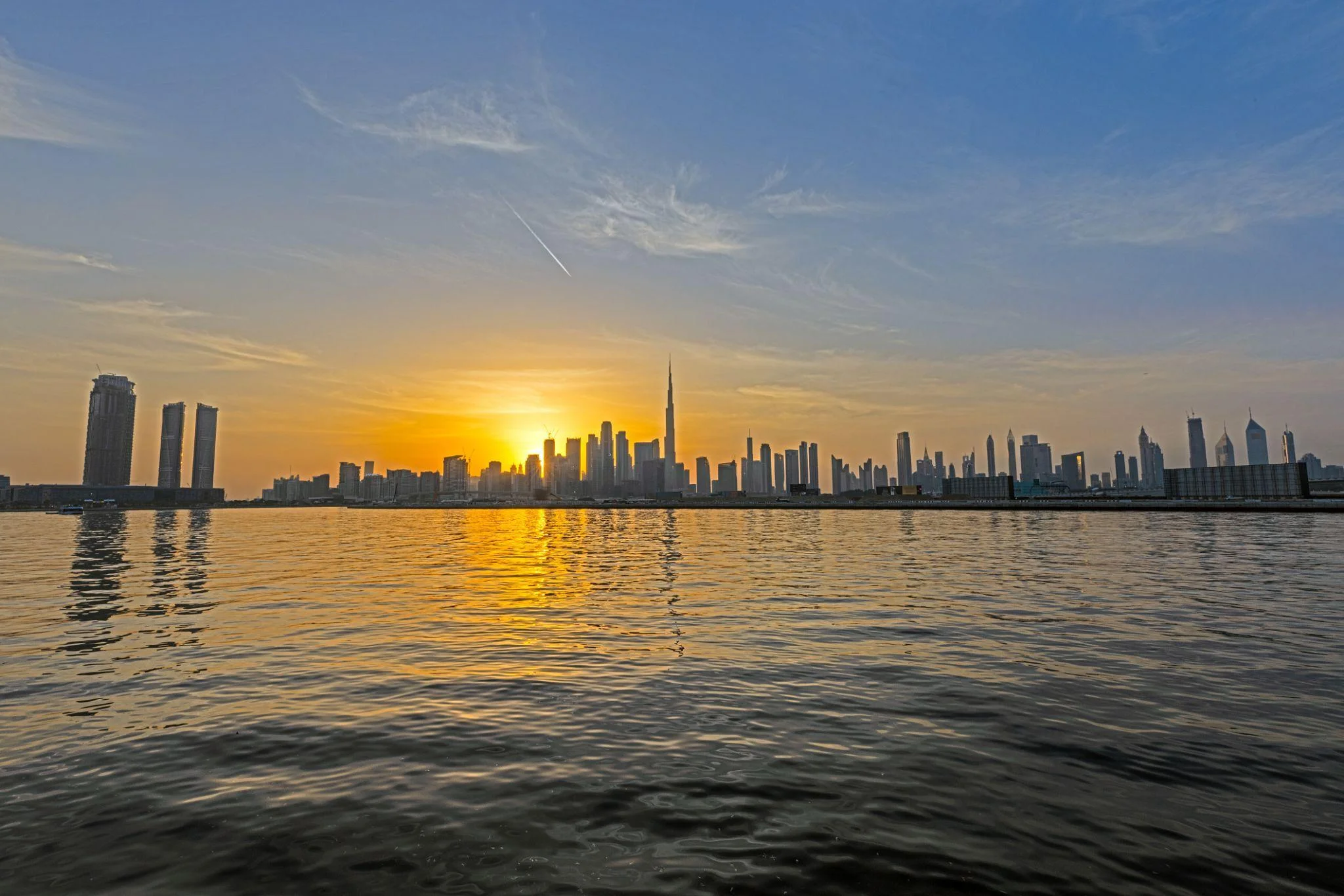
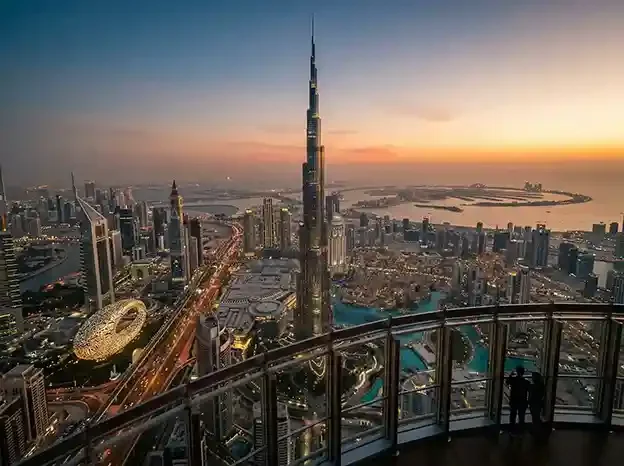
Few cities on Earth can match Dubai’s skyline. With over 200 structures exceeding 150 meters, the cityscape is a testament to architectural ambition that has to be seen to be believed. For first-time visitors, prioritizing viewpoints should sit near the top of your itinerary—these vistas offer the fastest way to grasp the sheer scale of what this city has become.
Burj Khalifa
Standing at precisely 828 meters across 163 floors, the Burj Khalifa holds its crown as the world’s tallest building. The structure’s distinctive silhouette—inspired by the Hymenocallis flower—is engineered to withstand winds up to 240 km/h.
Two observation experiences await:
| Observation Deck | Location | Highlights |
| At the Top | Floors 124-125 | 360° vistas reaching 80 km on clear days |
| At the Top SKY | Floor 148 | Premium experience with outdoor terrace |
Practical tips:
- Book online in advance—sunset slots sell out quickly
- Evening visits offer the most dramatic transition from day to electric night
- The elevator ascends at 10 meters per second (prepare for ear-popping)
At the foot of the tower, the Dubai Fountain delivers choreographed water shows every 20 minutes from 6pm to 11pm. With 6,600 spotlights and jets launching water up to 150 meters, this spectacle is completely free to watch from the Dubai Mall promenade—though lakeside restaurants offer enhanced dining experiences with front-row views.
Dubai Frame
In Zabeel Park, the Dubai Frame rises 150 meters as a striking golden rectangle that quite literally frames the city’s transformation. Opened in January 2018, this tourist attraction features a 50-meter glass-floored skybridge connecting its two towers.
The genius of the design? Stand at the midpoint, and you’ll see rustic Old Dubai on one side and the gleaming towers of New Dubai on the other—a visual story of the city’s evolution in a single frame.
The View at The Palm
Opened April 7, 2021, this observation deck atop the 52-story Palm Tower delivers 360° panoramas over Palm Jumeirah’s distinctive fronds, the Atlantis resort, and the Arabian Gulf beyond. The viewing experience is highly recommended at golden hour, when warm light accentuates the man-made archipelago, constructed from 94 million cubic meters of sand and rock.
Museum of the Future and Architectural Marvels
Dubai positions itself as a city of the future, and nowhere is this more evident than in its architectural marvels. These structures aren’t just buildings—they’re experiences that showcase what’s possible when imagination meets engineering.
The Museum of the Future on Sheikh Zayed Road opened February 22, 2022, and has since welcomed over one million visitors. Its torus-shaped exterior, clad in 1,024 stainless steel panels featuring Arabic calligraphy by artist Matthew Sagars, houses 77,000 square meters of immersive exhibits exploring AI, space exploration, sustainability, and biotechnology.
What to expect inside:
- Interactive holograms and VR simulations
- Collaborative labs for hands-on exploration
- Forward-thinking exhibits that challenge how you see tomorrow
Timed tickets are required, and modest dress is expected.
Desert Safaris and Outdoor Adventure
Step beyond Dubai’s gleaming towers, and the Arabian Desert unfolds in every direction—a landscape of rust-red dunes that has defined this region for millennia. A desert safari remains one of the most unforgettable experiences you can have here, offering a striking contrast to the urban polish of downtown Dubai.
What to Expect on a Classic Desert Safari
Most afternoon and evening safaris follow a well-established format that balances adventure with authentic cultural touches:
Typical itinerary:
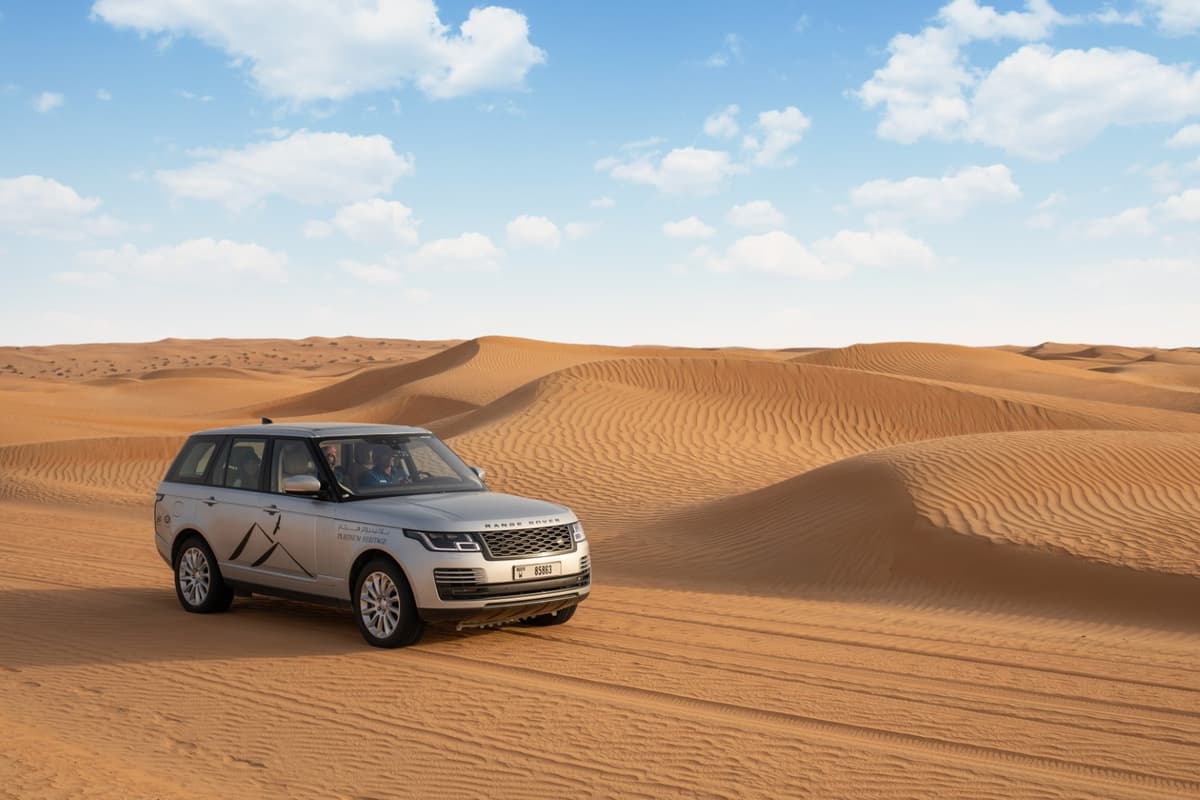
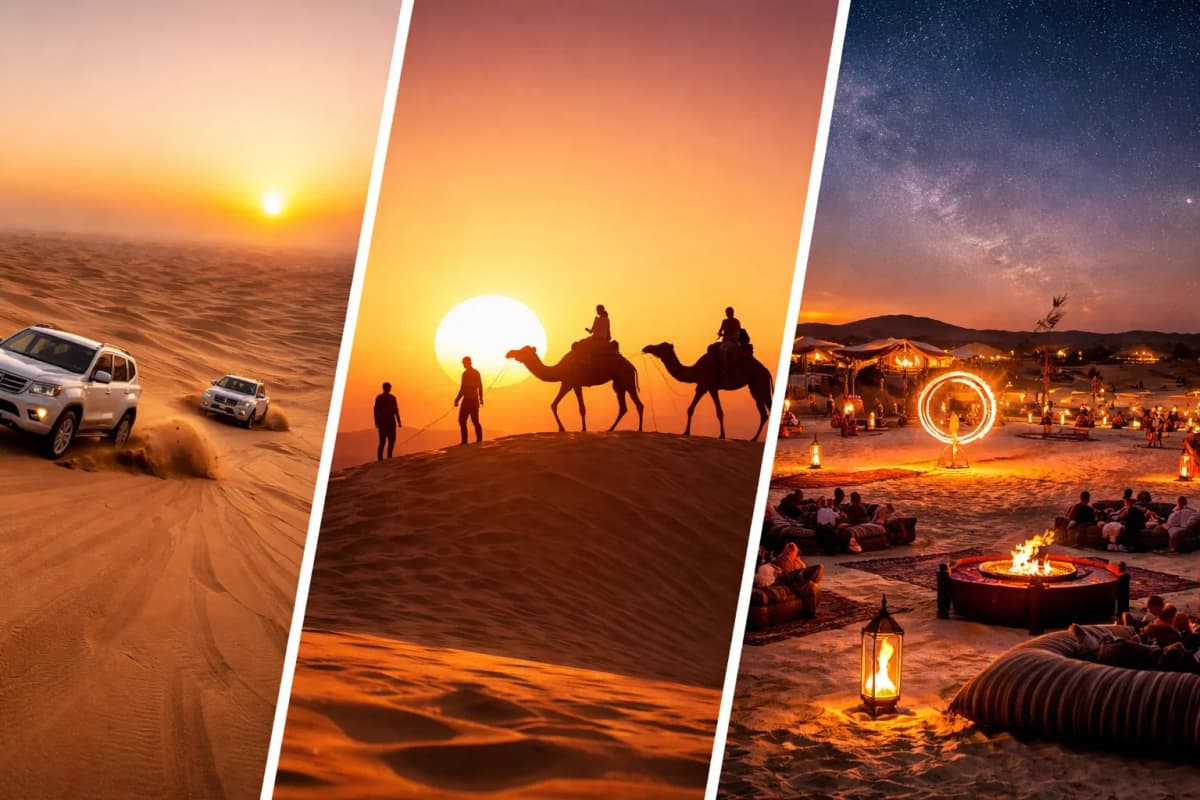
- 4x4 dune bashing across 30-50 meter red dunes (45-60 minutes from central Dubai)
- Sunset photo stops as the desert glows amber and gold
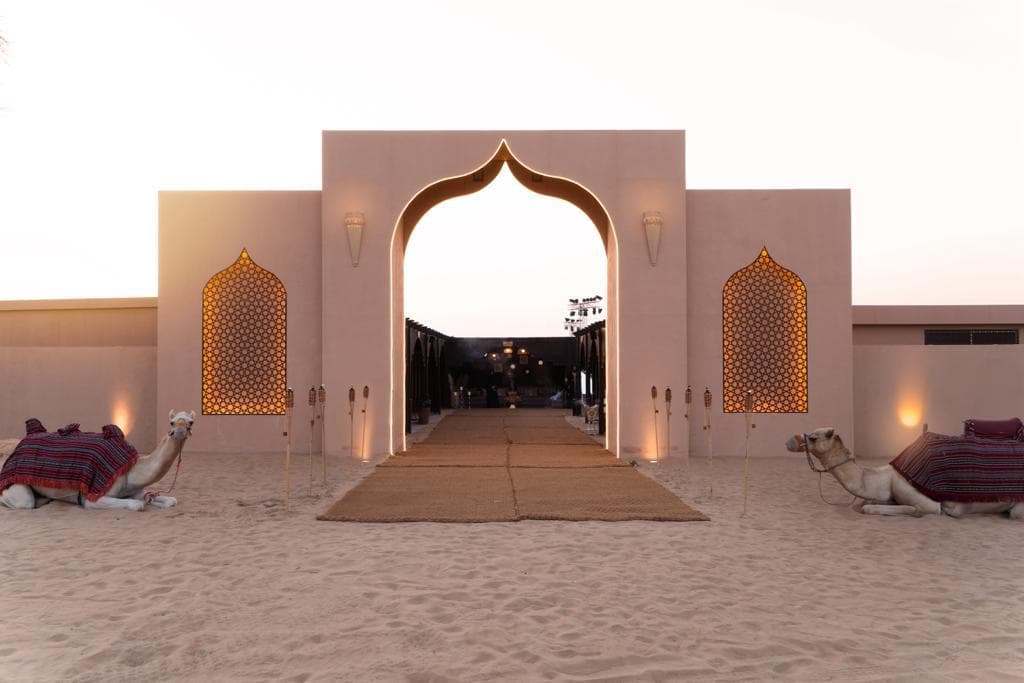
- Camel ride lasting 15-30 minutes, mimicking traditional Bedouin transport
- Sandboarding down slopes at 50-80 km/h
- BBQ dinner at Bedouin-style camps featuring grilled meats, salads, and hummus
Premium options include small-group 4WD experiences limited to six participants for more intimate exploration, while luxury glamping variants offer air-conditioned tents, private chefs, and stargazing telescopes for those wanting to spend a night beneath the desert sky.
Morning alternatives:
- Hot air balloon rides ascending around 5am for 300-500 meter aerials over camel herds
- Quad biking and buggy tours navigating wadis at controlled speeds
What to wear and bring:
- Light, breathable layers
- Closed shoes (sand gets everywhere)
- A jacket for winter evenings (temperatures can drop to 10°C)
- Plenty of water—dehydration is a real risk in 35-45°C dune heat
Always choose reputable, licensed operators adhering to UAE tourism standards. Safety protocols matter when you’re navigating steep dunes at speed.
Cultural Evenings in the Desert
As the sun sets, traditional camps come alive with experiences designed to offer a window into regional traditions:
- Arabic qahwa coffee sweetened with cardamom, served alongside dates
- Henna mehndi designs using natural lawsone dye
- Shisha lounges with fruit-flavored tobaccos like apple-mint
- Tanoura spinning dances rooted in Sufi mysticism (performers rotate up to 1440 degrees per minute)
- Belly dancing and fire shows with performers juggling flaming torches
These evenings provide a tourist-accessible introduction to Emirati hospitality traditions like diyafa (generosity) and communal feasting. That said, experiences vary—some camps lean toward authentic Bedouin recreations while others focus more on entertainment. Reading reviews on platforms like TripAdvisor helps you find the right fit for your expectations.
Etiquette tips:
- Dress modestly (cover shoulders and knees)
- Ask permission before photographing performers or staff
- Avoid disruptive behavior that conflicts with Islamic cultural norms
Modern City Life: Dubai Marina, JBR, and Beachfronts
Dubai Marina pulses with a different kind of energy—one where yacht-lined canals reflect glittering residential towers and the evening air fills with conversation from waterfront cafés. This 3.5 km man-made canal district houses over 120,000 residents and has become the heart of Dubai’s modern lifestyle scene.
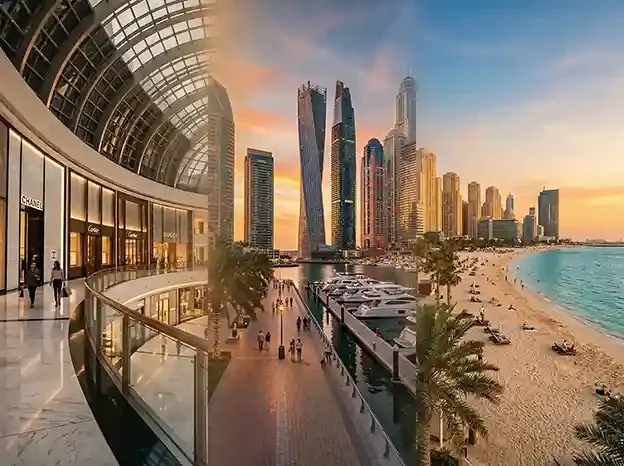
Dubai Marina Walk
The Marina Walk promenade stretches 7 km along the waterfront, making it ideal for evening strolls past superyachts reaching up to 160 meters in length. Over 150 cafés and restaurants line the route, offering everything from casual bites to refined dining experiences with uninterrupted skyline views.
Jumeirah Beach Residence (JBR) and The Beach
Adjacent to the marina, JBR features The Beach at JBR—a 1.7 km public stretch of sand with family-friendly facilities, open-air shopping at Ain Mall, and waterside eateries perfect for lazy afternoons. The atmosphere is relaxed and accessible, cater to couples, families, and solo travelers alike.
Dubai Marina Mall offers a more compact shopping experience with 90 stores, direct marina vistas, and generally free parking—making it a practical choice for relaxed retail therapy and coffee breaks.
Bluewaters Island and Ain Dubai
Just offshore, Bluewaters Island hosts Ain Dubai—the world’s tallest observation wheel at 250 meters with 48 air-conditioned cabins. Note: as of early 2026, Ain Dubai is paused for maintenance, so check the official site for current operational status before planning your visit.
The island itself features over 50 waterfront restaurants, making it an excellent evening destination regardless of the wheel’s status.
Best time to visit: November through March, when evenings cool to around 20°C—perfect for outdoor events and leisurely walks.
Water Parks and Beach Activities
Dubai’s coastline delivers year-round beach access, though summer visitors should prepare for UV index levels exceeding 11—SPF 50+ and constant hydration are essential.
Wild Wadi Water Park in Jumeirah sits within view of the Burj Al Arab and offers:
- The Middle East’s largest wave pool (85,000 liters per wave)
- 30 rides including Juha’s Dhow coaster
- 60,000 square meters of family entertainment
- Tickets around $64
Aquaventure at Atlantis covers 22.5 hectares as the world’s largest waterpark:
- 105 attractions including Aquaconda’s 30-person tube launch
- Splashers zones designed for younger children
- Full-day family experiences (adult tickets $100+)
Coastal water sports options include:
- Jet-skiing at speeds up to 70 km/h
- Parasailing to 150 meters
- Stand-up paddleboarding on calm Gulf waters
- Dhow cruise and boat tours circumnavigating Palm Jumeirah
Booking advice: December and January see peak demand—book ahead during school holidays to secure your spots.
Old Dubai: History, Souks, and Creekside Charm
Before the towers, before the malls, there was Dubai Creek—a 14 km saltwater inlet that has served as the city’s commercial lifeline since the 7th century. The districts surrounding it—Deira and Bur Dubai—preserve a character that feels worlds apart from the gleaming developments to the south.
Deira’s Traditional Souks
The souks of Deira offer sensory experiences you won’t find anywhere else in the emirates:
| Souk | What You’ll Find | Tips |
| Gold Souk | 300+ shops trading 5,000+ kg daily at 99.9% purity | Bargaining is expected—start at half the quoted price |
| Spice Souk | Saffron ($5,000/kg), frankincense, cardamom, dried herbs | Wander slowly; the scents are part of the experience |
| Textile Market | Fabrics, traditional garments, custom tailoring | Quality varies—inspect before purchasing |
These markets handle roughly 40% of global gold retail, making the Gold Souk one of the world’s largest concentrations of precious metal vendors.
Al Fahidi Historical Neighbourhood
Formerly known as Bastakiya, this restored quarter preserves over 200 years of architectural heritage. Wind-tower houses (barjeels) channel breezes for natural cooling—an ingenious pre-air-conditioning solution. Today, these 225 courtyard structures house art galleries, cultural centers, and quiet cafés where you can escape the heat and explore Dubai’s past.
Dubai Museum
Located in Al Fahidi Fort—Dubai’s oldest structure dating to 1787—the Dubai Museum uses underground dioramas to transport visitors back to 3000 BCE settlements. Exhibits feature pearl divers who held their breath for 90 seconds at a time and Bedouin tents recreated in atmospheric detail.
Note: The museum has been under renovation—verify current status before your visit.
Abra Rides Across the Creek
For just 1 AED (roughly $0.27), wooden abra boats ferry passengers across Dubai Creek amid traditional trading dhows. The journey takes only minutes but offers atmospheric views and a tangible connection to centuries of maritime commerce.
Timing tip: Visit in late afternoon or early evening to avoid midday temperatures that can exceed 35°C.
Traditional Food and Cultural Experiences
Old Dubai’s eateries serve dishes that tell their own stories:
- Machboos: Spiced rice with lamb or chicken, infused for up to 24 hours
- Luqaimat: Crispy dumplings drizzled with date molasses
- Saloona: Hearty vegetable and meat stews
- Arabic qahwa: Cardamom-sweetened coffee served with dates
Guided walking tours through these neighborhoods explain local customs, from right-hand eating traditions to Ramadan iftar gatherings. These experiences offer respectful, visitor-friendly windows into daily life.
Cultural etiquette:
- Dress modestly near mosques (headscarves for women)
- Avoid public displays of affection
- Always ask permission before photographing people
Family Attractions, Museums, and Theme Parks
Dubai caters to families with a depth that surprises many first-time visitors. From educational museums to sprawling theme parks, the city offers entertainment options that keep everyone engaged—regardless of ages.
Dubai Aquarium & Underwater Zoo
Located inside Dubai Mall, this 10-million-liter tank features a 48-meter tunnel where visitors walk surrounded by 140 species and 33,000 animals, including sand tiger sharks. The attached Underwater Zoo expands the experience with interactive exhibits and behind-the-scenes encounters.
Combination tickets with other mall attractions typically start around $50.
Dubai Miracle Garden
Open seasonally from November to April, Dubai Miracle Garden earns its title as the world’s largest flower garden with over 150 million blooms arranged in stunning installations. Highlights include a Guinness World Record Emirates A380 sculpture covered in 40 tons of petals, heart-shaped arches, and the adjacent Butterfly Garden housing 50,000 butterflies.
Visit duration: Half-day recommended; arrive early to avoid crowds.
Theme Parks for All Ages
Dubai’s theme parks offer full-day entertainment:
| Park | Highlights | Best For |
| IMG Worlds of Adventure | World’s largest indoor park (1.5 million sq ft), 28 rides | Families escaping heat |
| Dubai Parks and Resorts | LEGOLAND, Motiongate film-themed experiences | Ages 3-12 |
| Aquaventure Waterpark | 105 water attractions | All ages |
The Museum of the Future appeals to older children and teens curious about technology and space—interactive AI and sustainability simulations make for engaging half-day visits.
Cultural and Art Spaces
Infinity des Lumières in Dubai Mall transforms 5,000 square meters of wall space into 360° projected artworks—van Gogh’s swirling skies and Picasso’s bold forms surround you with immersive sound design.
For contemporary art, Alserkal Avenue in Al Quoz hosts 20+ galleries in converted warehouses, featuring local and international artists. Art Dubai fairs run from November through March, bringing performance, literature, and visual arts together.
These venues contrast beautifully with Old Dubai’s heritage sites—together, they reveal the full spectrum of the city’s creative journey.
Practical Dubai Travel Tips for Visiting Attractions
Smart planning transforms a good trip into an exceptional one. Here’s what you need to know to navigate Dubai’s world-class attractions efficiently.
Best Time to Visit
| Season | Temperatures | Ideal For |
| November-April | 20-30°C | Outdoor sightseeing, beaches, desert safaris |
| May-September | 35-45°C | Indoor attractions, malls, museums |
Ramadan dates shift annually—check before booking, as some experiences and dining options operate differently during this period.
Getting Around
Dubai Metro: Red and Green lines connect Downtown Dubai, Dubai Mall, and Dubai Marina efficiently. Nol card fares run 4-8 AED per journey.
Other options:
- Trams loop through JBR and the marina (7.5 AED)
- Taxis charge approximately 2.5 AED/km
- Careem and Uber operate throughout the city
For trips to Abu Dhabi (approximately 90 minutes by car), consider organized tours or private transfers from Dubai Airport.
Booking Advice
Booking is essential for:
- Burj Khalifa observation decks (especially sunset slots)
- Museum of the Future timed tickets
- Desert safari experiences with reputable operators
- Holiday-period waterpark visits
Money-saving tip: Attraction passes like Go City can save up to 40% on combined entries.
Dress Codes and Local Customs
Dubai balances cosmopolitan openness with Islamic traditions:
- Modest clothing in historic districts and near mosques
- Swimwear at beaches, private beaches, and pools—cover up elsewhere
- Alcohol available at licensed hotel venues only (21+)
- No public intoxication
- Respect Ramadan practices (no eating, drinking, or smoking in public during daylight hours)
Luxury Hotels and Resorts
Dubai’s hotel scene spans every price point, though the city is particularly known for its luxury hotels. Properties like Atlantis, Madinat Jumeirah, and resorts across Palm Jumeirah offer world-class amenities. Many hotels include access to private beaches—a compelling perk during peak season.
Making the Most of Your Holiday
The best Dubai trips mix headline attractions with slower-paced exploration. After visiting iconic landmarks, wander the quiet lanes of Al Fahidi. After a day at the malls, take an abra across the creek. After Ski Dubai’s indoor slopes, watch the sunset from a desert dune.
This city holds world records and ancient traditions in equal measure. It invites you to discover its contrasts, explore its neighborhoods, and create stories worth remembering.
Your 2026 journey through Dubai awaits—start planning today, book early for peak-season attractions, and prepare for an unforgettable experience that blends the best of old and new.